Your bag is empty.
Playboy examines an oft-repeated, anti-LGBT myth
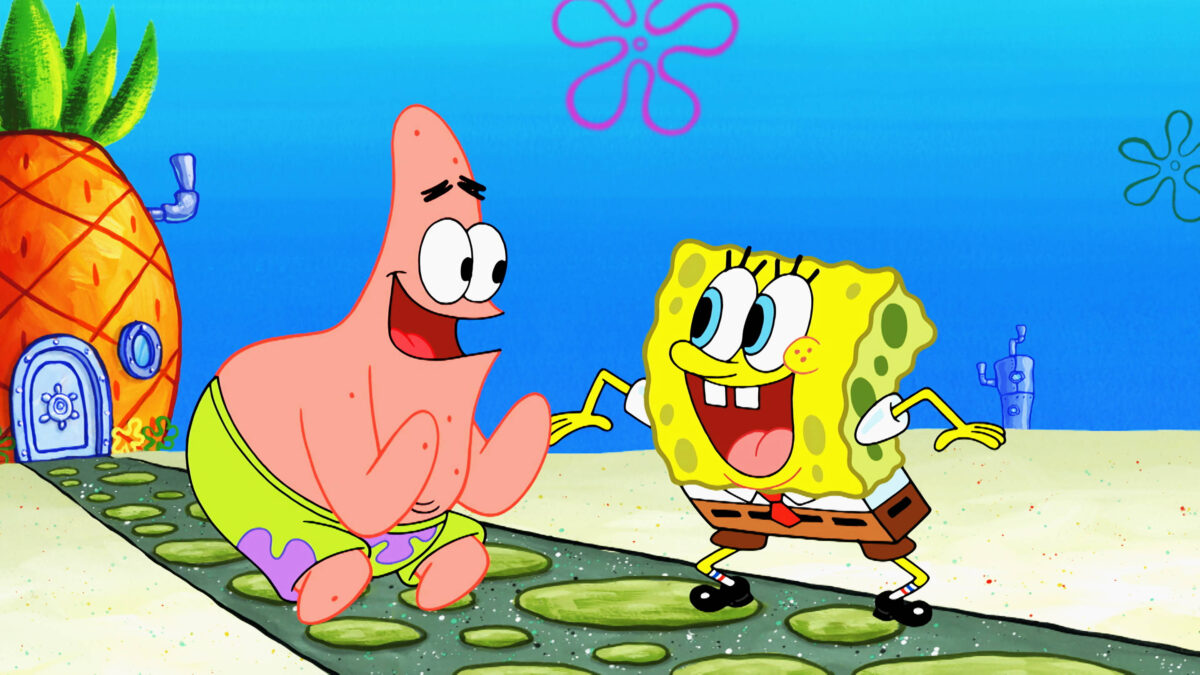
“Cartoons are teaching children how to be gay.” Ask yourselves, where have you heard this one before? Whether you heard this groundless assertion from a homophobic relative or from one of those gun-toting conspiracy theorists with a Confederate flag draped over a bullet hole in their living room wall, a sound individual could easily come to the realization of one thing: It’s a bullshit myth—just like the existence of unicorns, dragons and reverse racism.
This myth is often associated with another myth, the “gay agenda.” The belief that LGBTQ people are trying to depopulate the world by creating more queer people. One time, one of my uncles suggested that lesbians are trying to get rid of men by creating babies inside test tubes. Another bullshit myth.
Nonetheless, amusing ourselves with certain myths can be tantalizing—thrilling even. As children, many of us have turned off the lights in our bathroom, stood over the darkened mirror, and chanted “Bloody Mary,” three times—only to be startled and disillusioned by a knock or that eerie sound water makes when it travels down our rusty pipes.
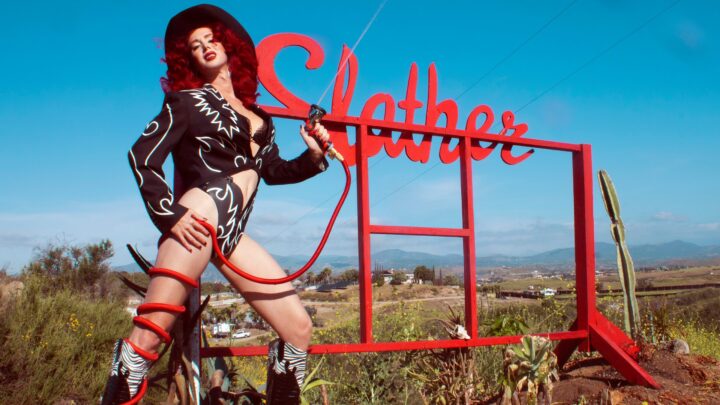
When the social media influencer and *Love and Hip-Hop Atlanta *actress, Tokyo Vanity, took to Instagram Live to announce that she believes cartoons are “teaching children how to be gay,” I chose to entertain that myth. I asked my 15,000 Twitter followers to amuse this theory and discuss which cartoon character taught them how to be queer.
“There’s a reason scientists have not had a breakthrough discovery in their search for a “gay gene.” There’s a reason why many psychologists have deemed conversion therapy barbaric and ineffective. “
All sarcasm aside, I wanted people with beliefs similar to the Love and Hip-Hop personality—who read the thread of silly responses—to grasp how idiotic they sound. I wanted people to read the thread and challenge the idea of children being so susceptible that cartoons can truly shape a child’s entire sexual identity. If watching cartoons can impact someone’s sexual identity, surely it can influence behaviors that are easily learned.
For example, I watched a lot of Tom & Jerry as a child. Tom was an impulsive, hot-headed cat who wanted to eat a trespassing mouse who probably had a death wish. And yet, I am not impulsive, hot-headed, or someone who willingly places myself in harm’s way for thrills.
Also, I watched a lot of Johnny Bravo. Johnny was an overly confident muscle-head who persistently harassed women who were clearly uninterested in him. And yet, I don’t lift weights—as my half-flab, half-muscled arm might indicate. I lack confidence most of the time. And I am not interested in continuously pursuing someone who has angrily expressed that they are not interested in me.
That said, I think it’s safe to say that I did not develop any of those flawed characteristics from watching those cartoons. So, excuse me for refusing to believe that I learned how to be a systematically oppressed queer person after watching a short, 15-minute episode of The Powerpuff Girls that barely featured one queer-coded villain (H.I.M).
Cartoons can’t teach children how to be queer because there isn’t simply one behavior that is exclusive to queer people. Also, we can’t watch a cartoon then decide that we are going to spend the rest of our lives being targeted by homophobes, called anti-queer slurs, and sometimes physically abused or murdered for simply being queer. We can’t clap our hands and decide not to belong to a super marginalized community that is hated throughout the world—just like a cis-heterosexual person can’t clap their hands and magically belong to one of the world’s most hated communities.
Trust me, if I could become straight and abandon years of internalized anti-queerness and unlearn decades of emotional and mental abuse from my anti-queer relatives, friends, and perfect strangers, I would absolutely do it—no questions asked. Who wouldn’t want to be a cis-heterosexual person in a world with so much bias against people who don’t identify as cis-heterosexual?
“Giving cis-heterosexual people the room to believe that their identities are under attack will certainly create trauma for the already traumatized LGBTQ community. “
Scientists, psychologists and religious nuts have examined queer identities like a deadly virus for many years. There’s a reason why scientists have not had a breakthrough discovery in their search for a “gay gene.” There’s a reason why many psychologists have deemed conversion therapy barbaric and ineffective. And there’s a reason why my pastor’s constant prayers did nothing to banish the “homosexual demon” living rent-free in my body: Because queerness doesn’t come from a gene, it’s not a sickness, and it’s not a demon. We are simply queer because we’re queer, and nothing—especially not a fucking cartoon—can alter our sexuality in any way.
There is no “gay agenda,” and gay people aren’t using cartoons to brainwash children into becoming queer. If the overflow of cis-heterosexual cartoon characters couldn’t ‘turn’ me straight, I highly doubt that the very few queer characters we have can ‘turn’ anyone queer.
Furthermore, perpetuating the idea that LGBTQ people have an agenda to depopulate the world or replace cis-heterosexual people is dangerous and could—and has—lead to violence against people who exist within the LGBTQ umbrella. Last month, we saw stories about a gunman in New Zealand who killed dozens of worshippers at two mosques. The man titled his manifesto “The Great Replacement,” reinforcing the idea that white identities are under attack. Giving cis-heterosexual people the room to believe that their identities are under attack will certainly create trauma for the already traumatized LGBTQ community.
The first time I heard about “the gay agenda” was when my then 5-year-old cousin, an avid Spongebob Squarepants fan, was caught watching an episode where Patrick Star and Spongebob were raising a lost baby scallop together. Patrick played the role of the working-class husband, and Spongebob played the role of the housewife. Before the episode concludes, the scallop flies into the sunset, and Patrick excited tells Spongebob he wants to have another baby.
My cousin’s stepfather took my cousin’s TV, destroyed it, and told him that he is no longer allowed to watch Spongebob—because he will “turn gay.” Instead, he allowed him to watch television with him—those movies were always inappropriate. My cousin often only watched BET’s overplayed *Baby Boy *movie and other flicks with heavy gang violence. And when he came over to my house, he bristled at the idea of even hearing the Spongebob Squarepants theme song.
Imagine that. A five-year-old’s illegitimate father violently smashing his television and only allowing him to watch inappropriate movies under his supervision—just so that he won’t grow up gay. Which lessons can be learned in that situation? For one thing, if my cousin grows up to be queer, he will definitely be afraid to come out—because he was taught that being queer is worse than engaging in hypermasculine street violence. For another thing, he will begin seeing queer people the same way many of my homophobic bullies—this includes family members—see me: as someone who doesn’t deserve to exist in my blackness because of my sexual identity.
Cartoons can’t make children gay, and there is no gay agenda. Queerness in cartoons is giving our next generation something my generation was not afforded: an opportunity for queer children to see ourselves as normal and not a walking sin. If one views queer representation in cartoons as a direct attack against cis-heterosexual identities, they are a large part of the problem.