Your bag is empty.

The star of 'The Good Place' talks to Playboy about being anxious and black in Hollywood
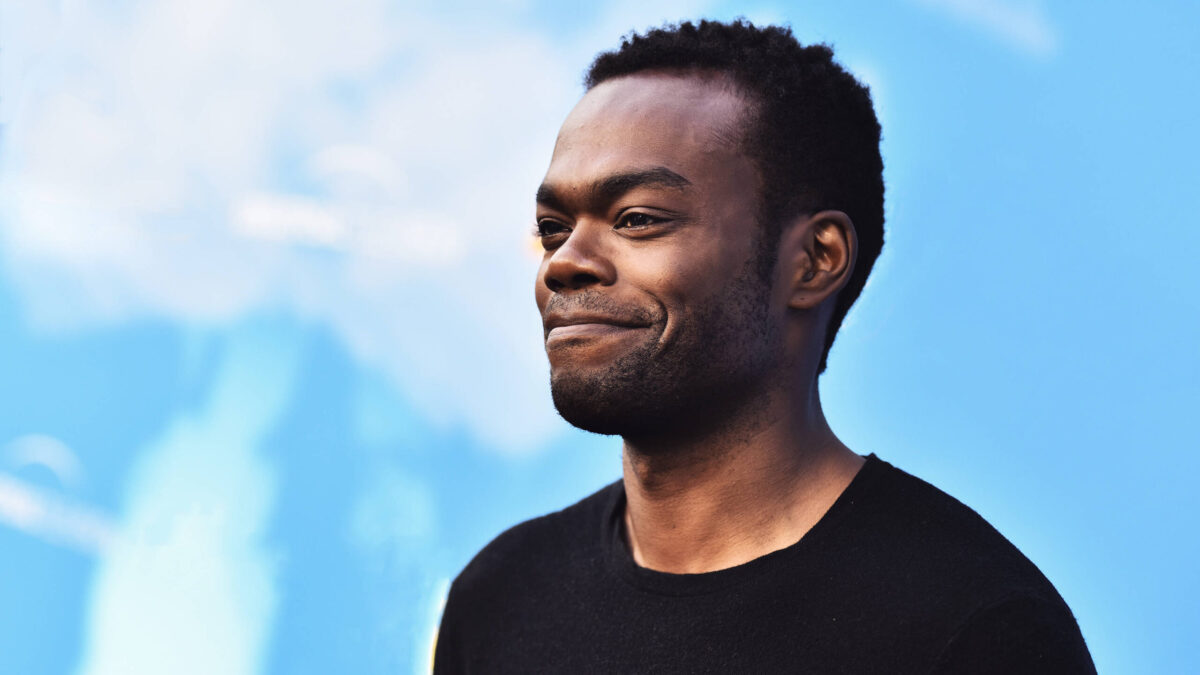
Catching up with William Jackson Harper takes time. Currently, he’s filming the final season of The Good Place, one of network television’s most critically acclaimed shows. Before that, he was in Budapest filming director Ari Aster’s follow-up to Hereditary, the spine-tingling break-up thriller, Midsommar. If that weren’t pressure enough, Jackson also lined up a yet-to-be named Todd Haynes project. Not bad for a kid from Texas living with anxiety.
Harper’s not taking anything for granted. It took him nearly ten years of background work, voiceover extras, and one disappointing pilot season after another before he found Chidi, the genius with a debilitating agony of indecision. The character once spent several hours trying to decide between two hats. For Harper, Chidi presented a dream opportunity. “This is sort of the job that I’ve always wanted to get, and thought would never come my way.”
The Good Place, created by TV legend Michael Schur (Parks and Rec, Brooklyn 99) captured lightning in a bottle when its season one finale flipped the script on viewers and quickly became the show everyone had to binge before season two. Now, it’s been announced that season four will conclude the series run. While this moment may be historic for fans, Harper says the crew just wants to get it right. “We’re just trying to make sure that we deliver this great writing as best as we can. It’s cool that it’s garnered this kind of attention that sort of puts us in this upper echelon of TV comedies in the last few years. But we don’t feel that on set. We’re just trying to make sure we’re doing honest work.”
Nina Simone sang “To be young, gifted, and Black. Oh, what a precious dream.” From the woman who brought “Mississippi Goddamn” into the ears of civil rights-era Americans, this sentiment seems at odds with the reality of living in America as a Black individual. Harper’s no stranger to being the only Black man in a room. It’s been that way since he was a kid. Like his anxiety, there’s an ever-present awareness of his otherness. “Honestly, when you hit middle school things get really weird,” Harper contemplated. “All of a sudden, you’re not just this little Black boy, you’re becoming a young Black man. All of a sudden, everyone changes around you a little bit. People are like, ‘Oh, wow. This guy’s kind of a threat.’”
“All of a sudden, you’re not just this little Black boy, you’re becoming a young Black man. People are like, ‘Oh, wow. This guy’s kind of a threat.’”
That fear was never more present than on the day when Harper and a friend were nearly run over by a truck while they were playing football in a parking lot. “We both moved out of the way. I think they were just trying to scare us,” he recalls nonchalantly. “They were screaming at my friend, Thomas. They called him a nigger lover and drove off. I’d only seen it in movies, that sort of behavior,” Harper explained.
“Jarring,” Harper said, describing the experience. “As I talked to a few people that have had similar experiences, it was a relief to know that I wasn’t alone. Obviously, I know, racism exists. I’m Black.” He laughs haughtily, without a hint of bitterness. “It happened at such a formative moment in my life. It was the kind of event that makes you suspicious of people for a while when you first meet them,” Harper explained. “I don’t like that. I don’t like going through the world that way.”
When asked, Jackson will state that the trait he most shares with Chidi is that they’re both anxious individuals. Anxiety manifests itself in all types of people, but it’s especially strange in performers. What makes someone who finds themselves too nervous to answer the phone, get on stage in front of hundreds and perform for their entertainment? Harper described being on stage like hiding in plain sight. “It’s different because it’s not me. I get to slide in aspects of myself into that character. And that’s fun. You know? That’s useful.”

I feel like I get to explore aspects of myself that I love and that I hate. It’s a little bit therapeutic.
A self-proclaimed theater nerd, Harper was looking to expand his scope beyond the heavenly gates of his first success. He’d like to return to Broadway. “I loved it, it’s also one of those things where you get in front of the audience, and you’re in charge of that experience, and you’re responsible for that. And in a lot of ways, it’s a much heavier weight, but it’s also a little bit more freeing.” There’s a level of exploration that detaches Harper from whatever fear his anxiety causes in daily life and allows him to be free on stage. “I feel like I get to explore aspects of myself that I love and that I hate. It’s a little bit therapeutic.”
It needs to be therapeutic. Harper isn’t ready for talk therapy, yet. “I’m trying to deal with it,” Harper promised. “Like, dip my toe in, when it comes to therapy. But it’s something that I’m really freaked out about doing. I don’t want you to tell me I have a bigger problem than I thought I had. Right now I just know I’m a nervous dude all the time. I can deal with that. I feel like that’s just being grown up.”
As Josh, in Midsommar, Harper gets the chance to lean into more of his dramatic acting chops. “You know, the thing about doing comedy is that it’s a very narrow range of responses that render the work successful,” Harper explained. While this baby bird is ready to head for bluer skies, he’ll miss the nest that brought him success. “There’s no way you can do something for this long and not have it seep in a little bit. Just being on set with such great people all the time, who are really kind, and trying to do the right thing by each other all the time… It’s my duty to pay it forward. Going to work has been this really warm, comforting place. I’m just trying to replicate that environment in my real life as much as I possibly can.”