Your bag is empty.

This year's Emmys may be more relevant than the Oscars, but its winners also feel a bit off
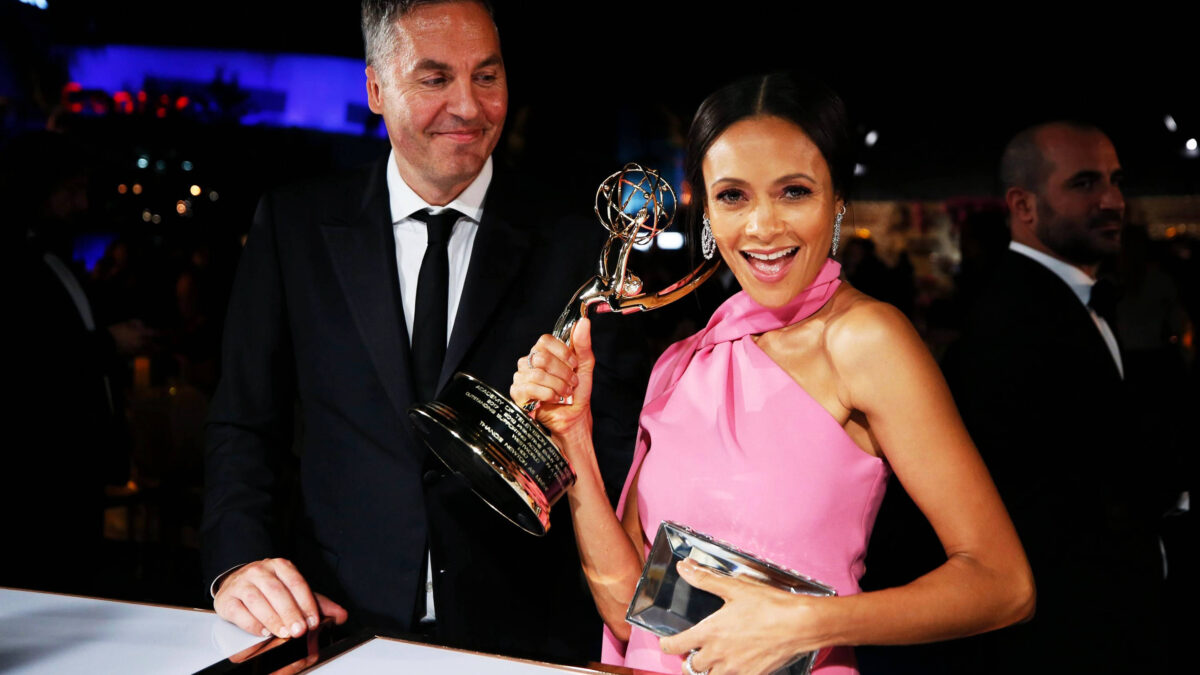
Except for comic-book franchise fanboys—who are the Lord of the Flies rulers of Hollywood’s boneyard, and darned proud of it—most people have known for years that TV is miles cooler than movies. So why do the wheezy, creaky Oscars still get treated as the ultimate awards show? Probably just because Oscar is the oldest of the bunch and invented the formula: the daffy statuette with the dumb nickname, the Night of a Thousand Stars regalia, the paralyzing self-congratulation of it all.
Even so, it’s more than a little symbolic that the most memorable event in Oscar’s recent history was Warren Beatty’s senior moment when he flubbed the Best Picture award to Moonlight in 2017. The most memorable event during last night’s Emmys show, on the other hand, was Glenn Weiss—a winner for directing, ahem, last year’s Oscar telecast—proposing to his girlfriend in front of an audience of millions. Too cool.
Even in decline, Oscar still trounces the Emmys ratings-wise, attracting 26 million viewers last March to Emmy’s all-time low of 9.1 million last night. In every other way, though, there isn’t much question which show amounted to a more convincing advertisement for pop-culture fertility, right down to the Emmys’ relative lack of solemnity. The cutaways to Fred Armisen and Maya Rudolph as clueless Emmy “experts” apparently baffled a lot of people, but don’t blame us for enjoying them. That’s because we enjoy malice, and the sendup of the Motion Picture Academy’s pomposity about Oscar’s storied past seemed pretty blatant to us.
Then again, it’s just as well that the show’s big conceit of celebrating TV’s diversity was mostly treated as a tongue-in-cheek spoof, too, beginning with the “We Solved It” opening number from Kate McKinnon and Kenan Thompson (not to mention a bunch of ringers). Nominee Sandra Oh saying “It’s an honor just to be Asian” turned out to be predictive, since she didn’t win. Neither did most of the other multiculti contenders up for awards. Even minus the major bummer of Atlanta’s shutout, the audience ended up watching an awful lot of the usual white folks trotting up on stage when their names were called.
Women, of course, did better than that, and not only because there are categories exclusively devoted to them. But the feminocentric series that copped the biggest prizes hinted at a surreptitious retreat into the industry’s comfort zone, despite being one more victory for streaming outlets over warhorse broadcast and cable networks. You’d have to have a heart of stone to begrudge Amy Sherman-Palladino her double win for writing and directing The Marvelous Mrs. Maisel, which also won Best Comedy.
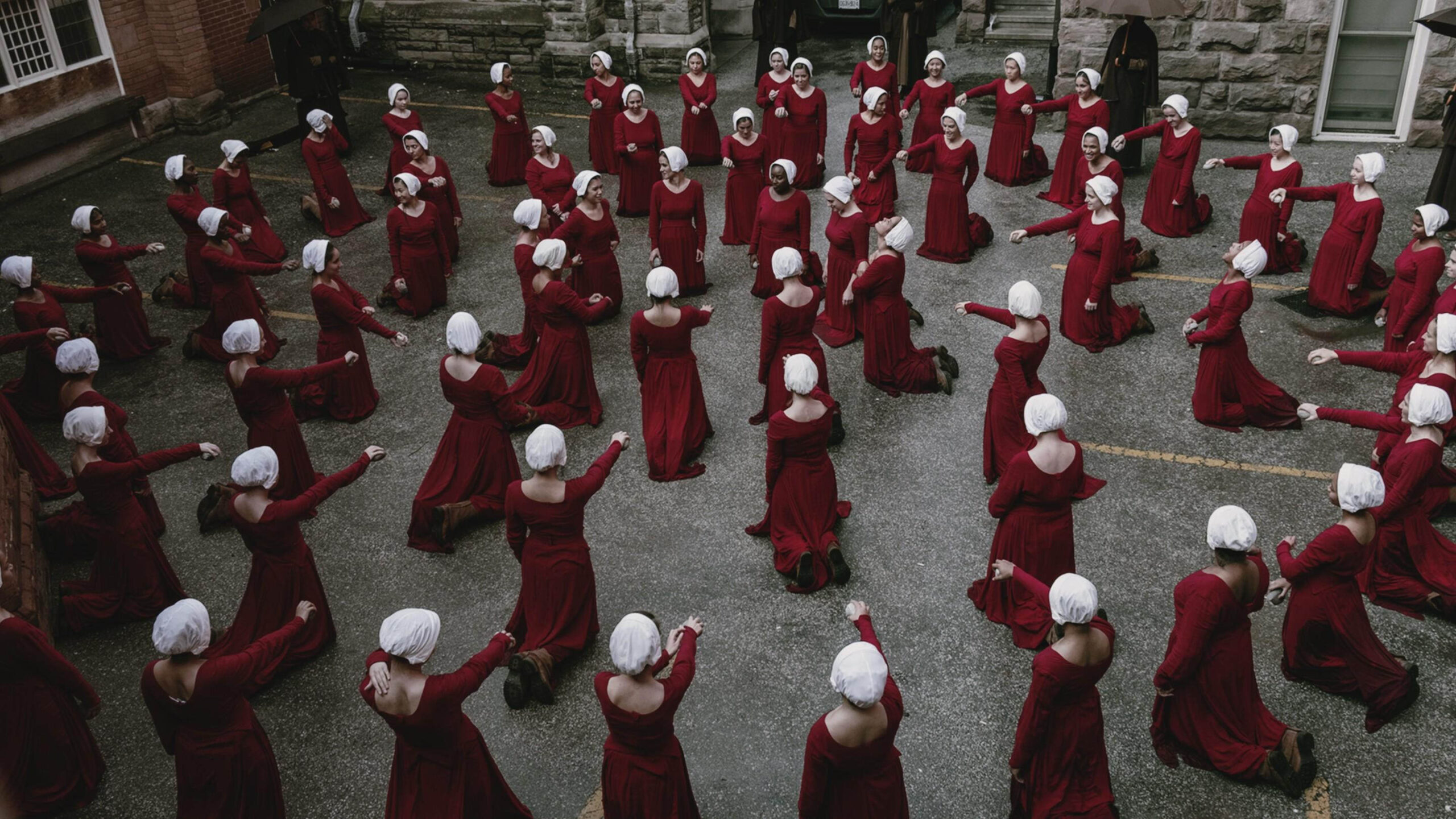
That piratical top hat of hers put viewers on notice that this wasn’t our parents’ Emmy awards, and she was only outdone in sartorial irreverence by Best Supporting Actress winner (also for Mrs. Maisel) Alex Borstein’s proud jacket-losing shimmy down the aisle. All the same, Sherman-Palladino’s very droll Amazon series about a Joan Rivers facsimile finding her voice as a stand-up comic in 1950s New York is obviously a lot cutesier and less uncompromising than, say, The Handmaid’s Tale—which won best dramatic series last year, but had to settle for considerably less recognition this go-round.
Wins for Game of Thrones (duh) and Barry at least let HBO hold its own against Netflix and Amazon’s upstart juggernaut, although just barely. But broadcast TV is on the verge of remaining competitive only by winning awards for airing awards shows. Aside from Saturday Night Live’s win for best variety sketch series, Weiss’ Emmy for directing last year’s Oscars ceremony was the only major trophy any broadcast network took home, which may be a new low.
Maybe we all know that TV is cooler than movies these days, but we don’t have anything remotely like a communal definition of what’s cool anymore.
Since the Emmys were originally devised to honor broadcast TV, back when it was the only TV there was, cable and streaming’s supremacy these days is the equivalent of Oscar voters dolefully handing out Best Picture prizes to one goddam art flick after another, now that big-studio fare is mostly too brain-dead to merit consideration. No wonder some people have begun rather desperately floating the idea that broadcast TV should have it own separate awards show, just as the Motion Picture Academy recently proposed a new Oscar category honoring the year’s best popular film.
The paradox is that the abundance of audience choices and—kinda, sorta—diversity that this year’s Emmys ended up honoring is at odds with the Emmys’ (and the Oscars’) basic reason for being, which is to celebrate a consensus taste that no longer exists. Maybe we all know that TV is cooler than movies these days, but we don’t have anything remotely like a communal definition of what’s cool anymore. Millions of Emmy viewers lacking Amazon Prime subscriptions had probably literally never heard of The Marvelous Mrs. Maisel until last night, and no doubt quite a few them had never heard of Atlanta either. The more shows we decide are after our own heart, the fewer of them we agree on, and that’s the reason the Emmys can appear to be where the most festive pop-culture action is, and a total dinosaur, at one and the same time.